Graffiti Graphics
Chapter I
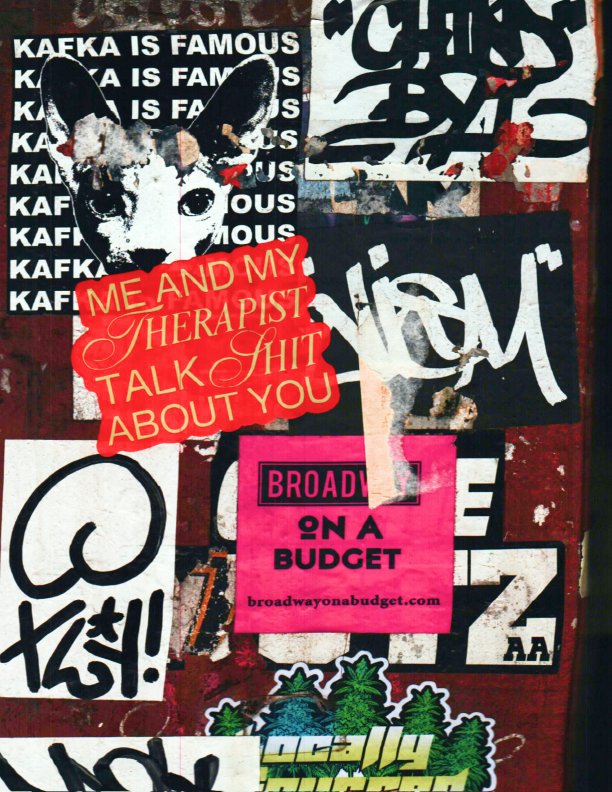
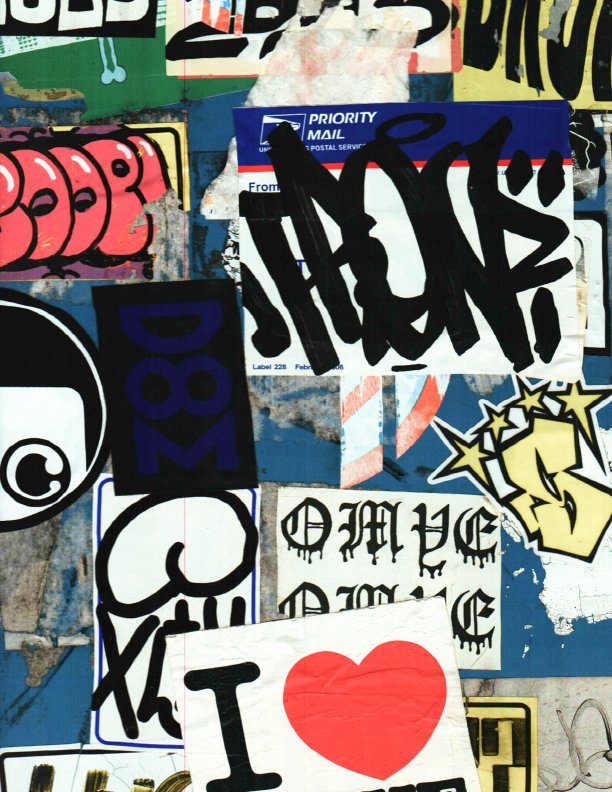
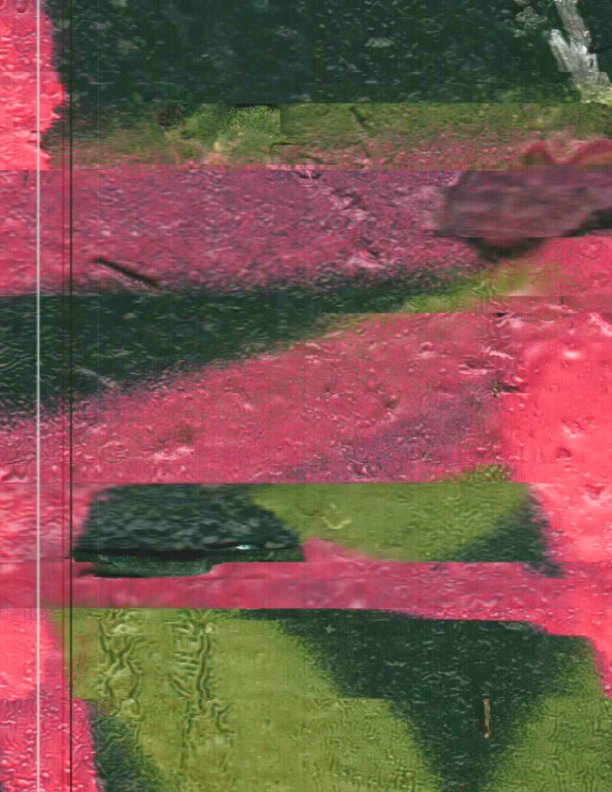
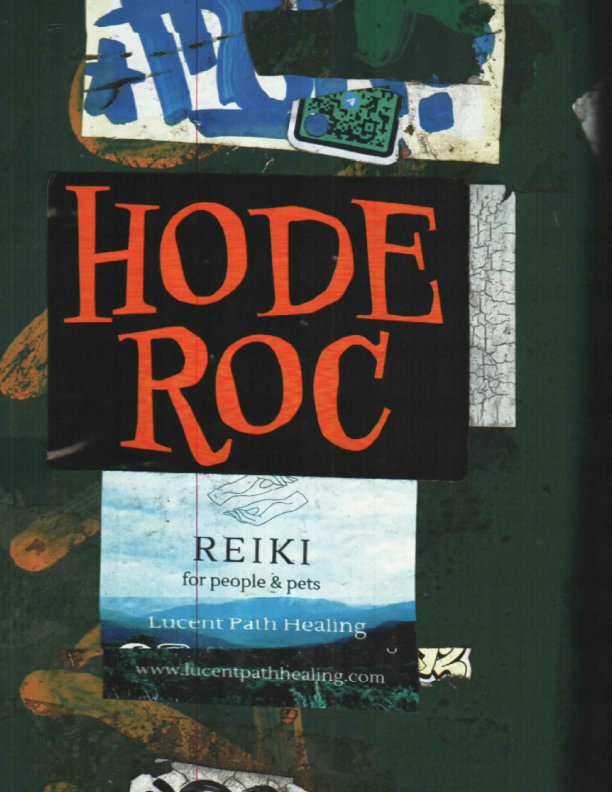
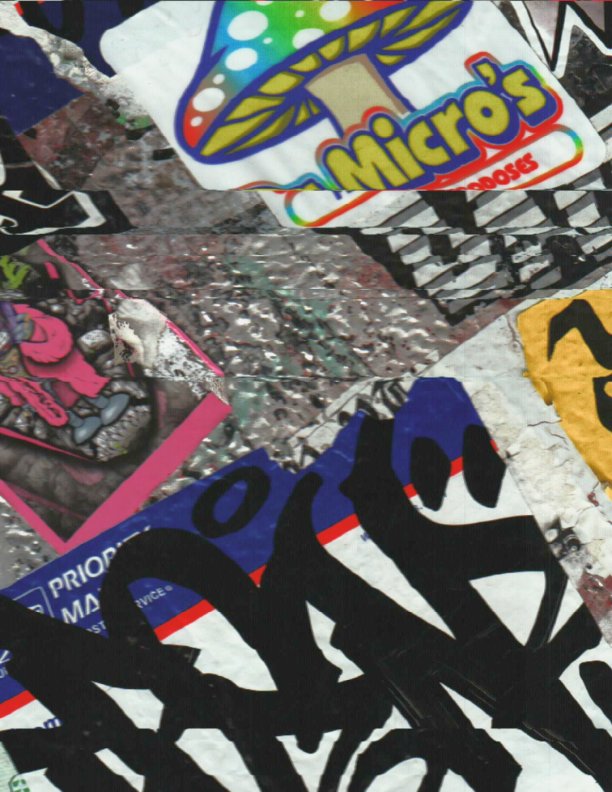
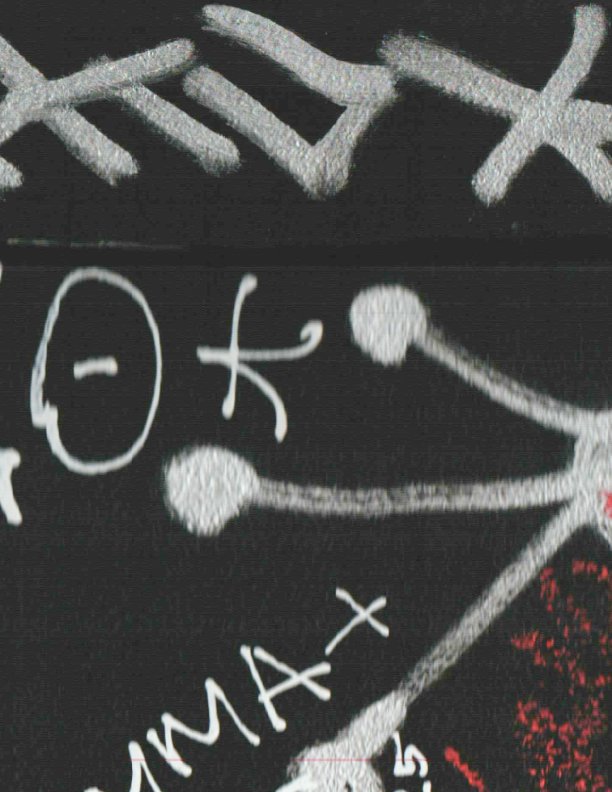
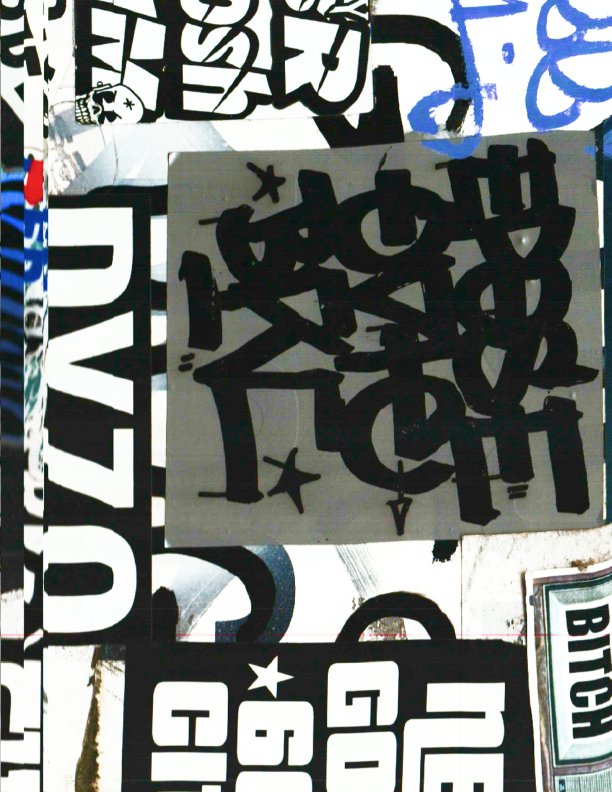
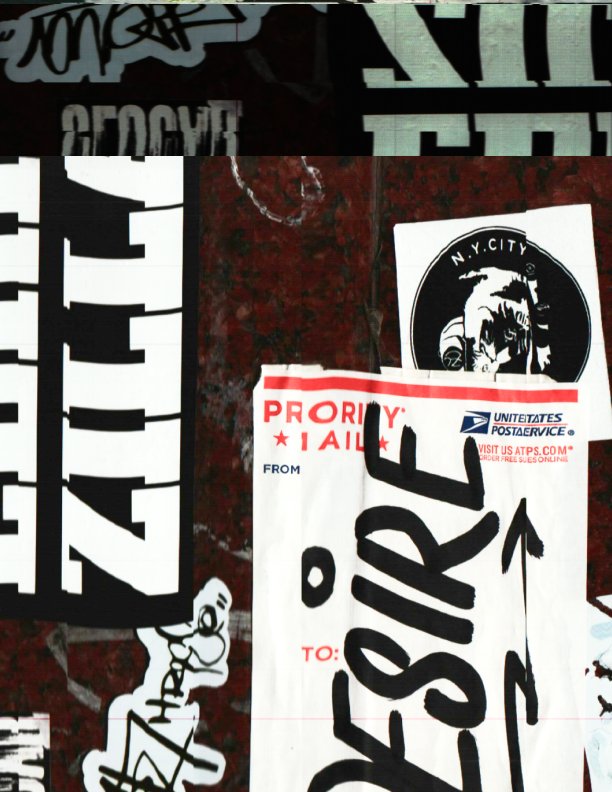
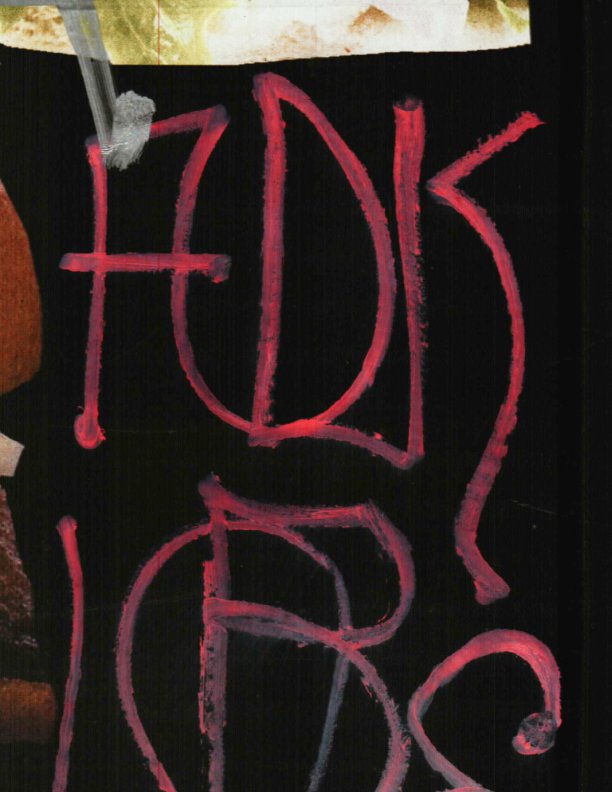
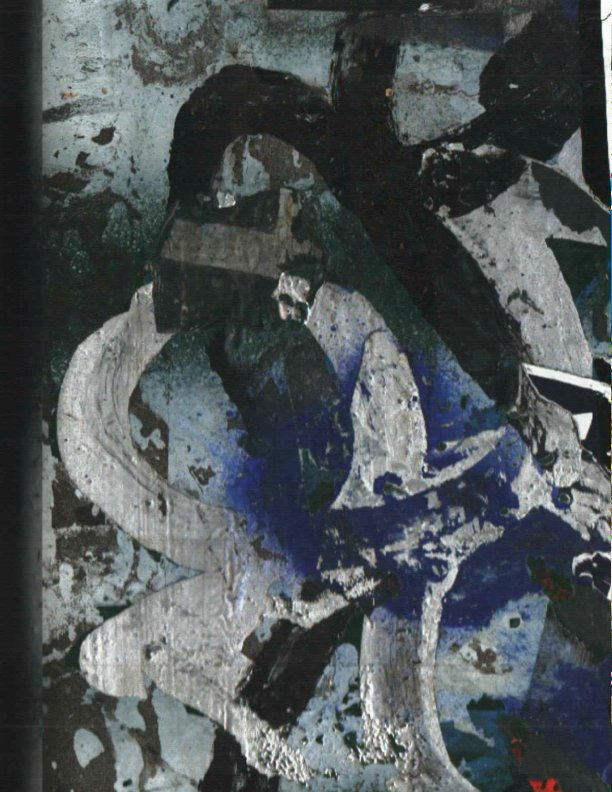
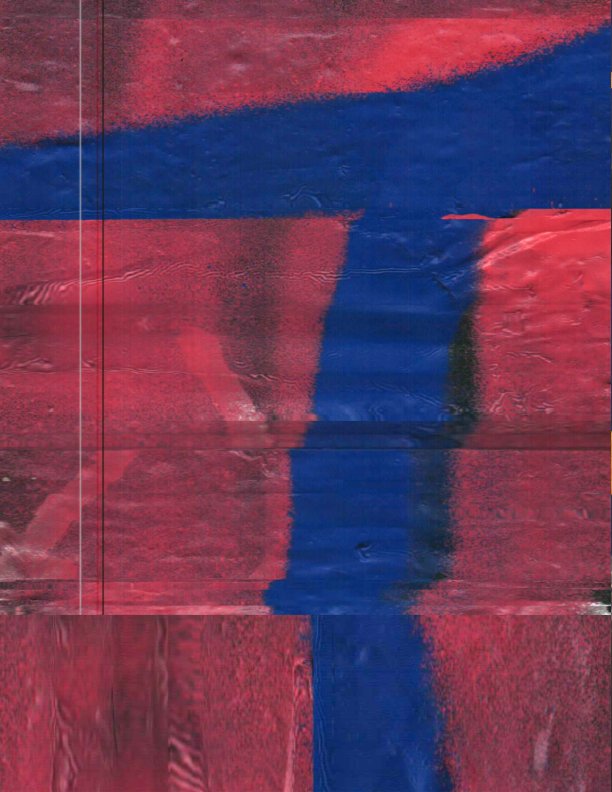
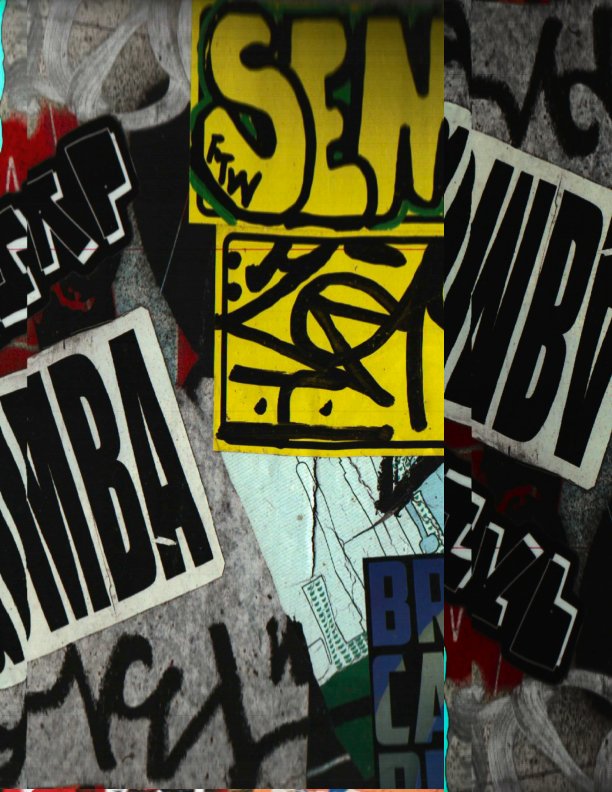
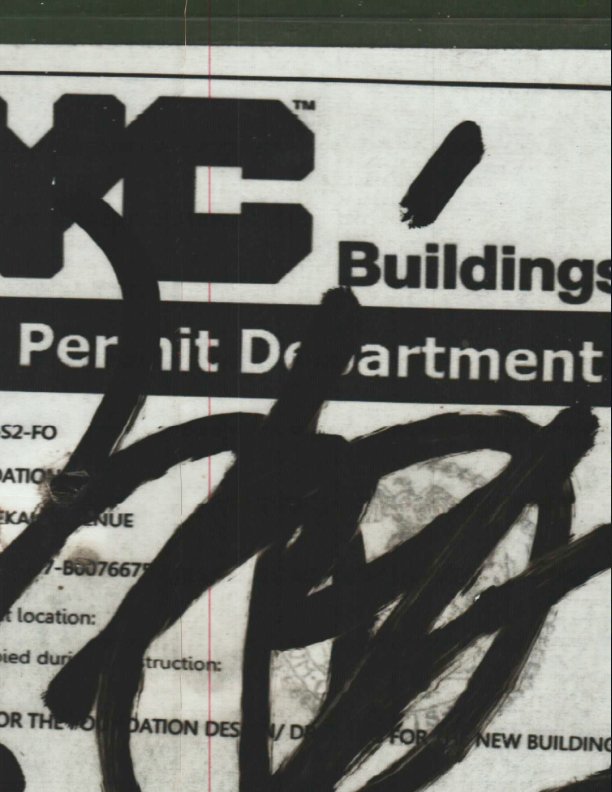
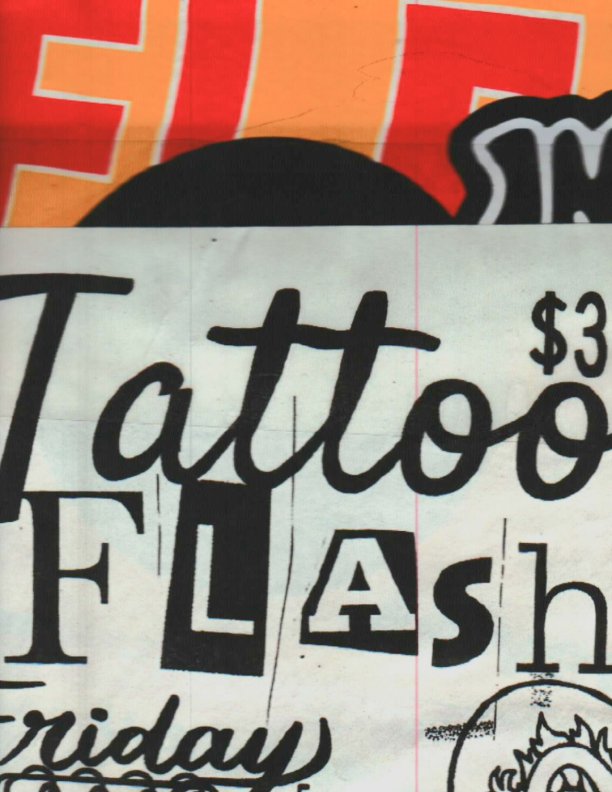
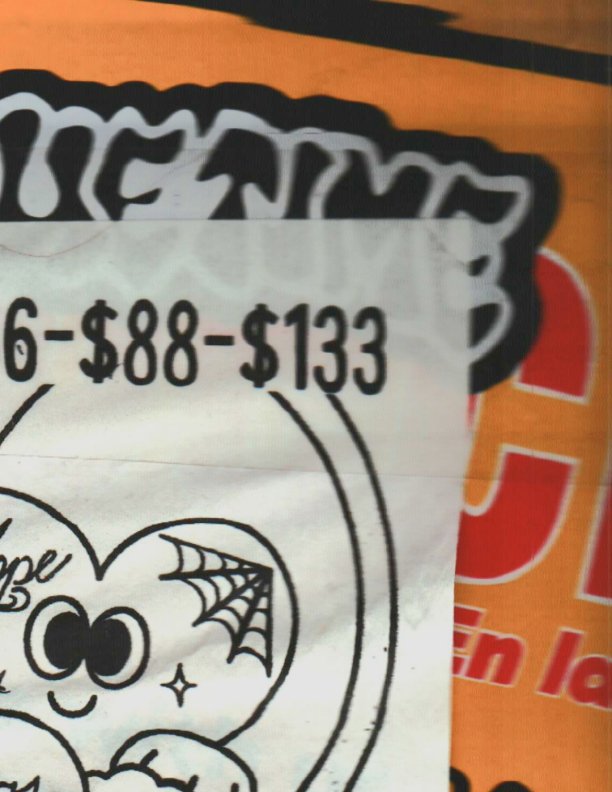
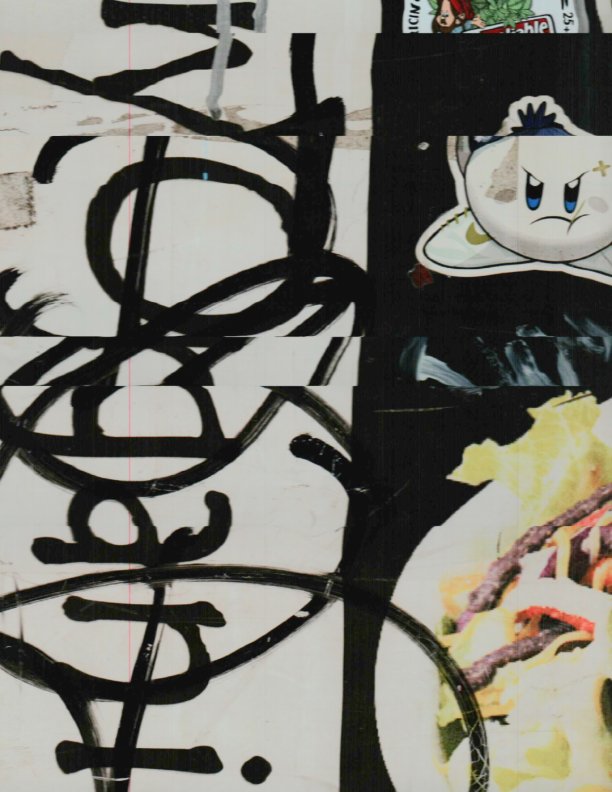
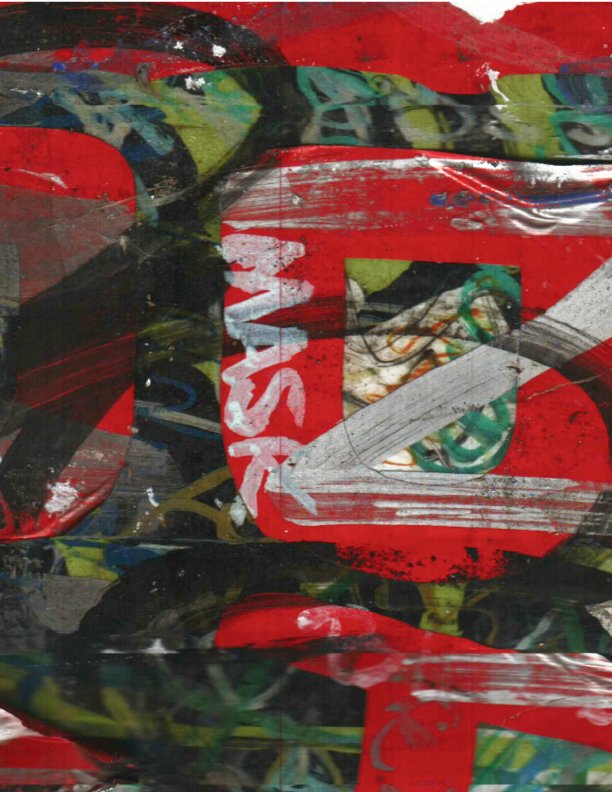
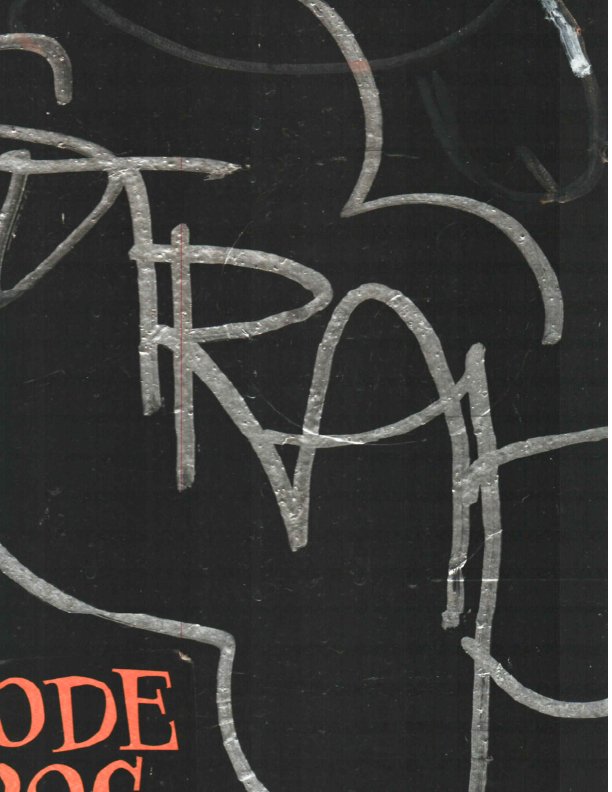
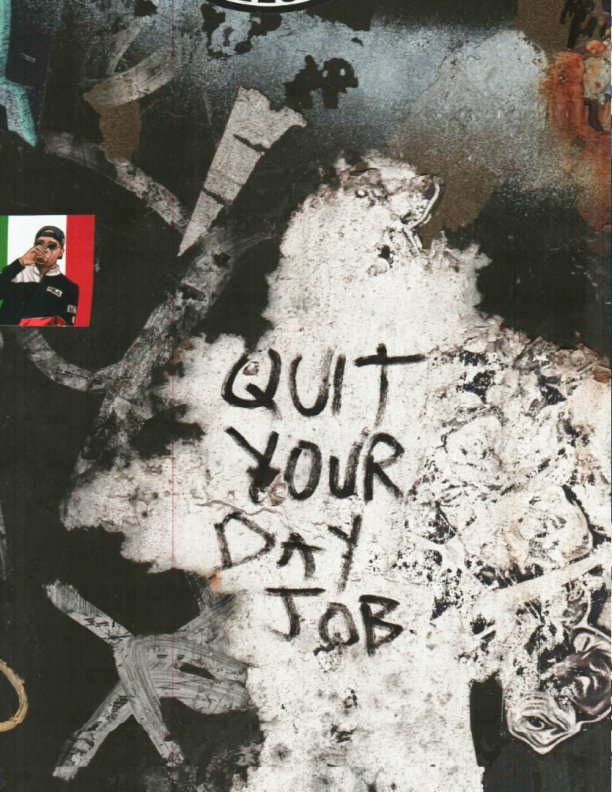
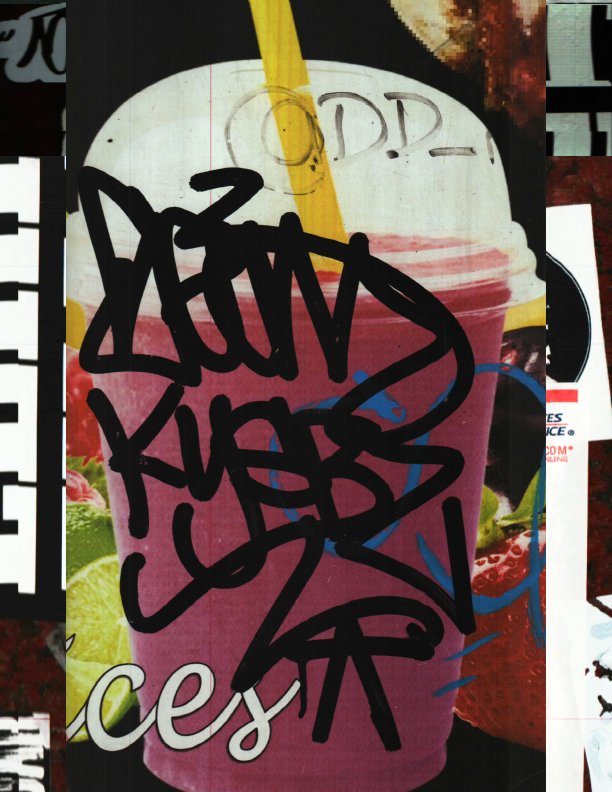
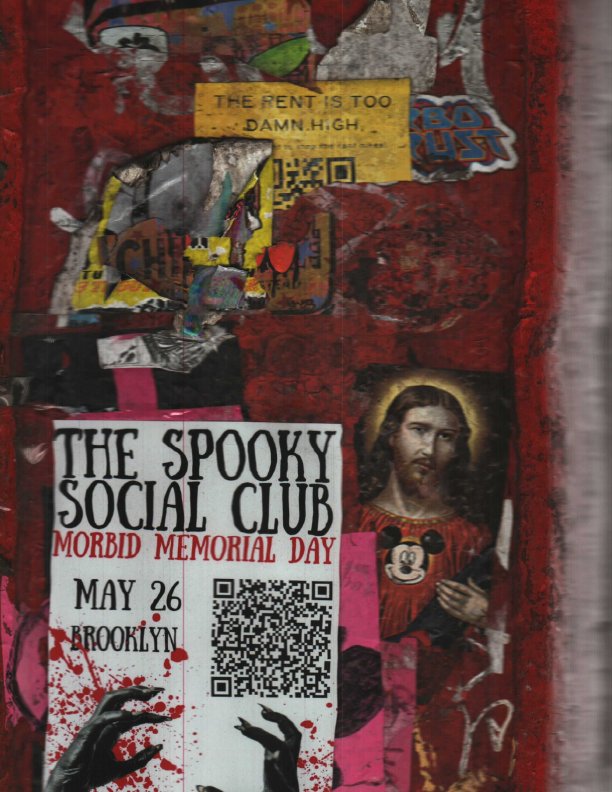
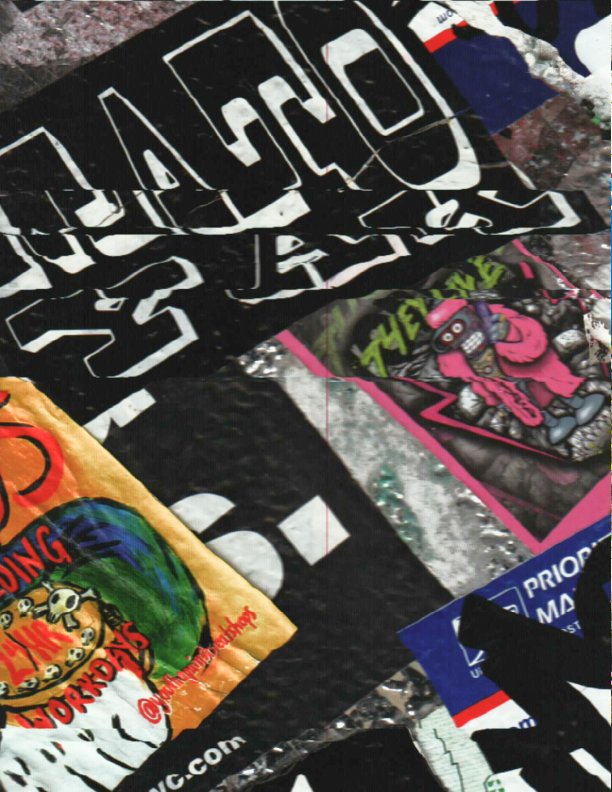
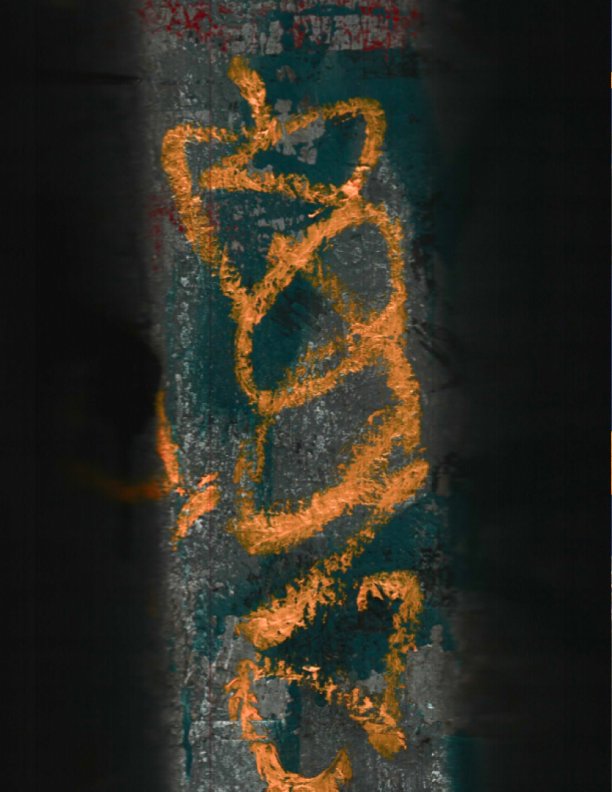
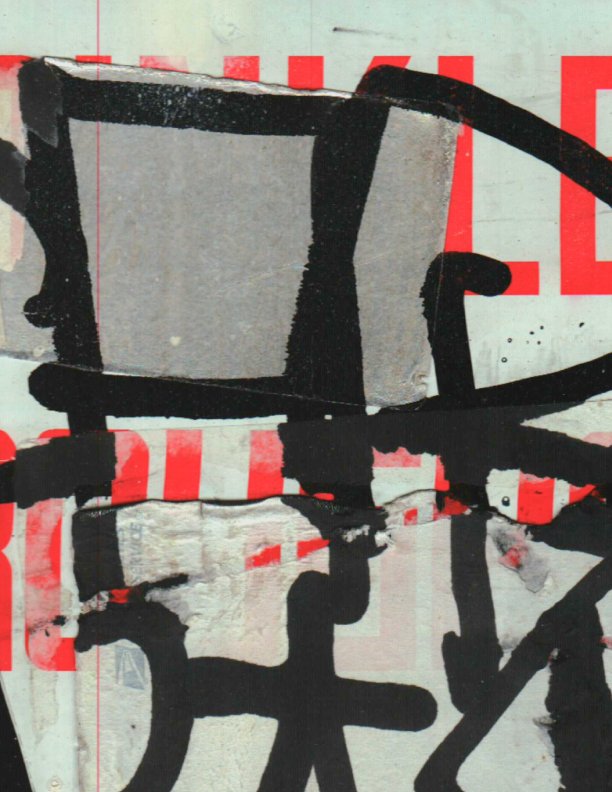
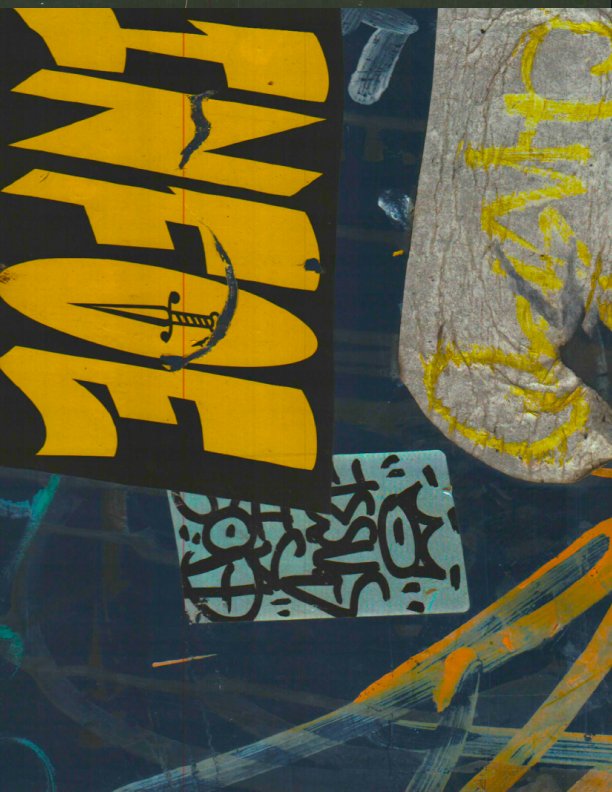
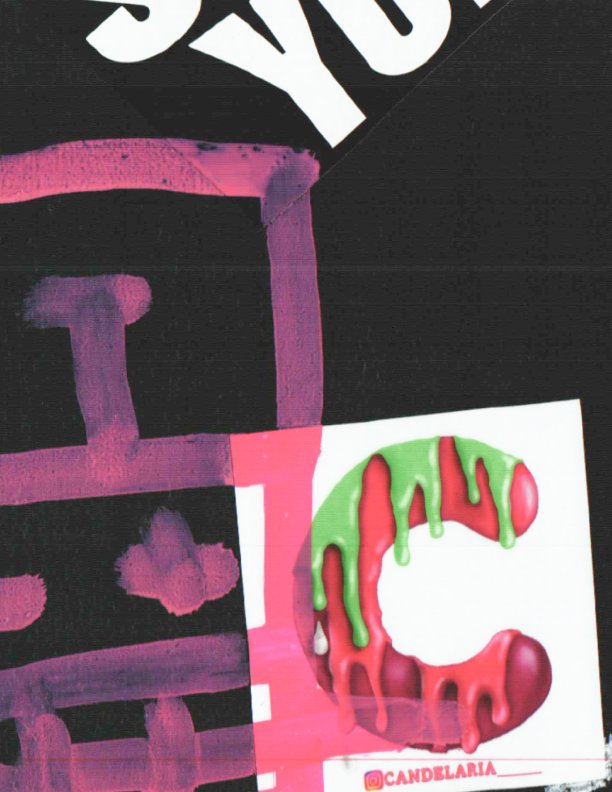
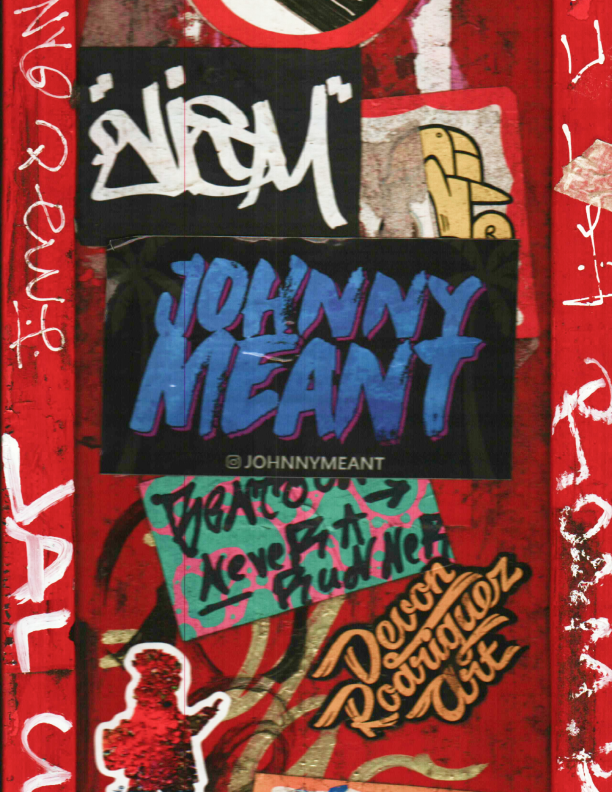
New York City is filled with graffiti works that are beautiful but not respected for their artistry. They’re considered vandalism and quickly covered after they are made. There is no way to preserve these works. That is why I wanted to scan the entire city. Living in Brooklyn, the goal was to scan as many interesting works and preserve them, a living archive of what the streets looked like before they were painted over.
Chapter II
Graffiti is beautiful. It is also temporary.
A wall gets buffed. A train gets cleaned. Something that took skill, courage, and vision disappears overnight and most people never even saw it.
GraffitiGraphics.org started as a simple idea: what if there was a place where that work could live on? Not a museum. Not a gallery. Something closer to the streets, anonymous, open, communal.
Upload a piece you made. Upload something you saw on your block. Note where it's from, drop a location, add a handle if you want. No account required. No questions asked.
Every scan I've shared ends up stopping people. They lean in. They want to know more. That reaction, that's what this is for. A place to connect through work that was never meant to last, but deserved to.
Versions
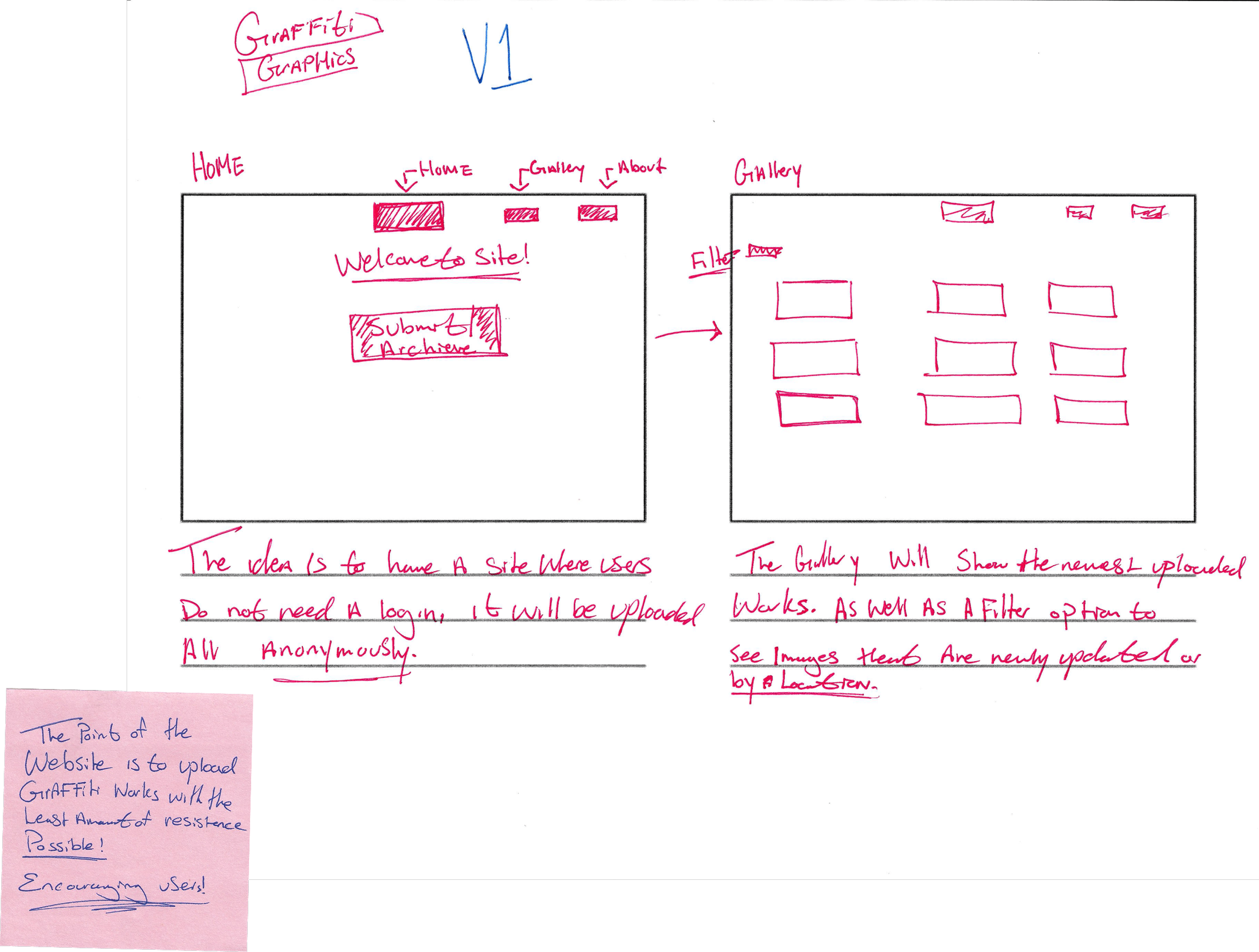
V1
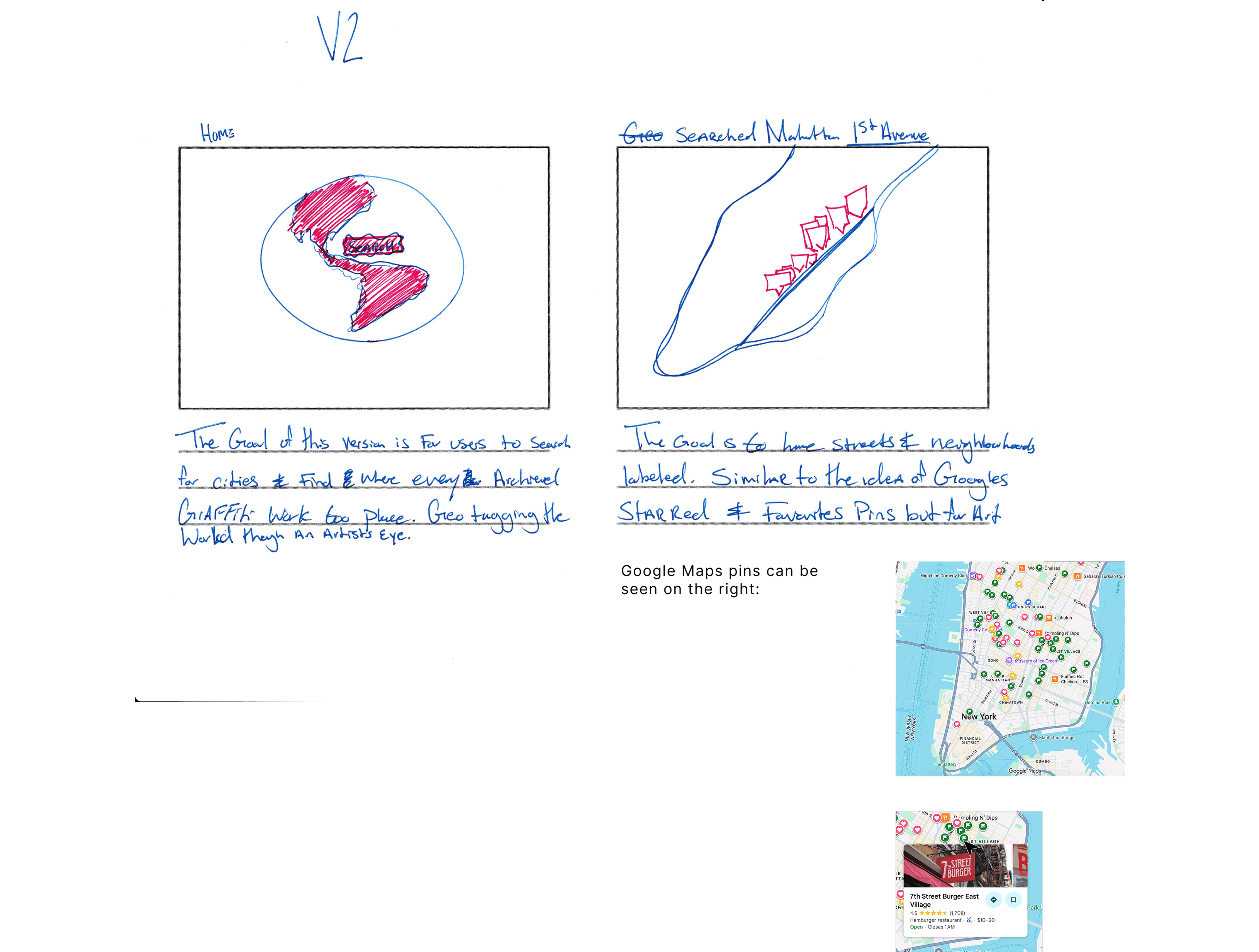
V2
V3
Version 3 felt fun but it didn't feel authentic to something like graffiti. I wanted something that spoke to the brand.
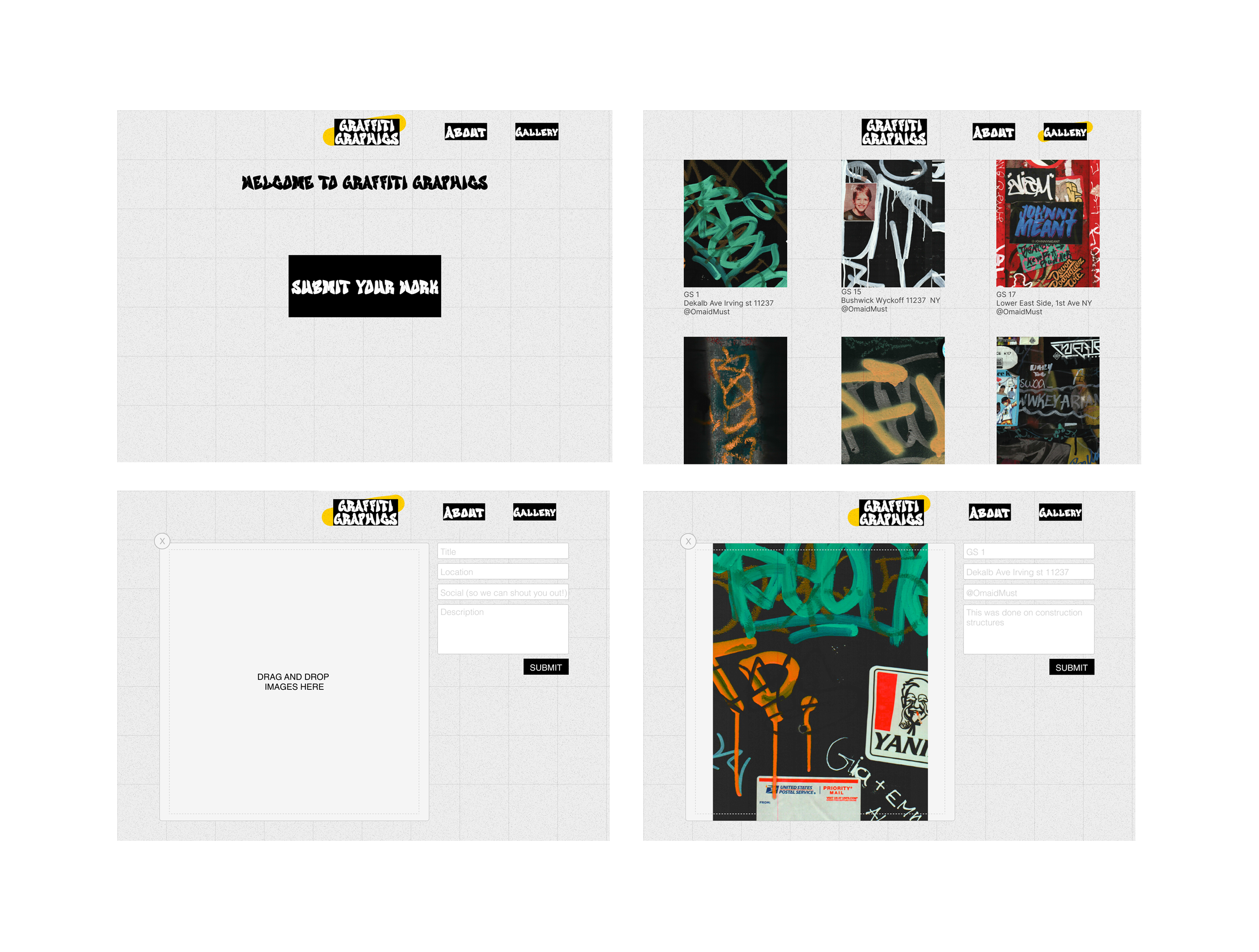
Final Version
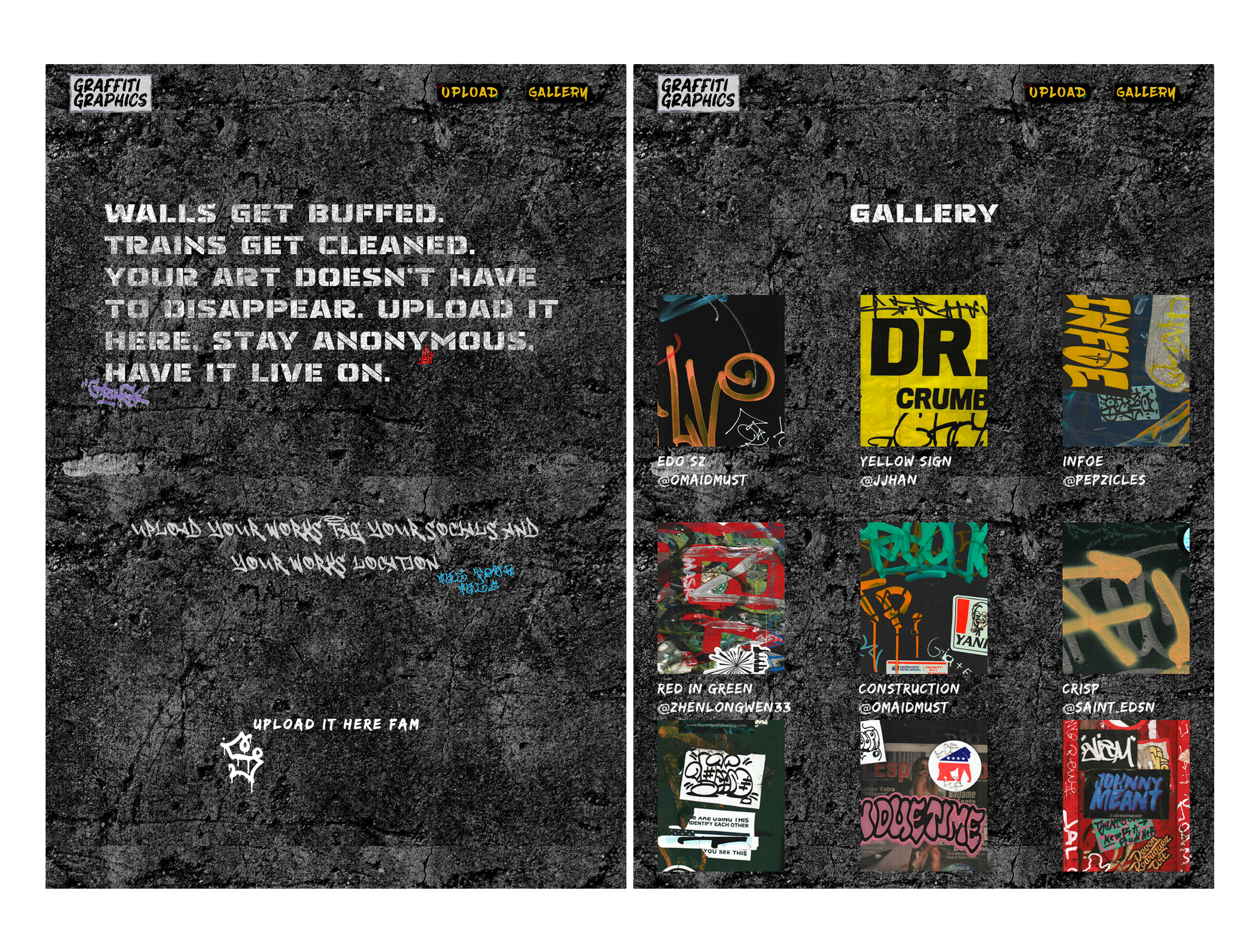
This grungy raw aesthetic felt more authentic to the brand. I wanted asymmetric pieces on the platform and I wanted to use the background as concrete — something that felt legit.
Chapter III
The Physical Artifact
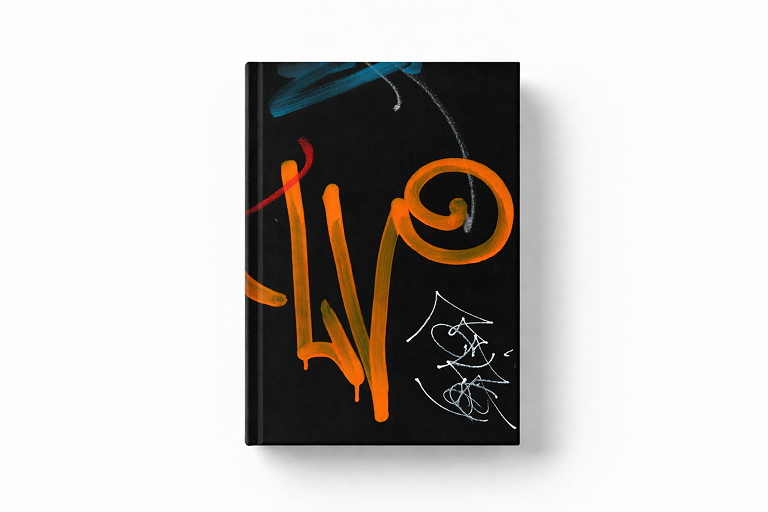
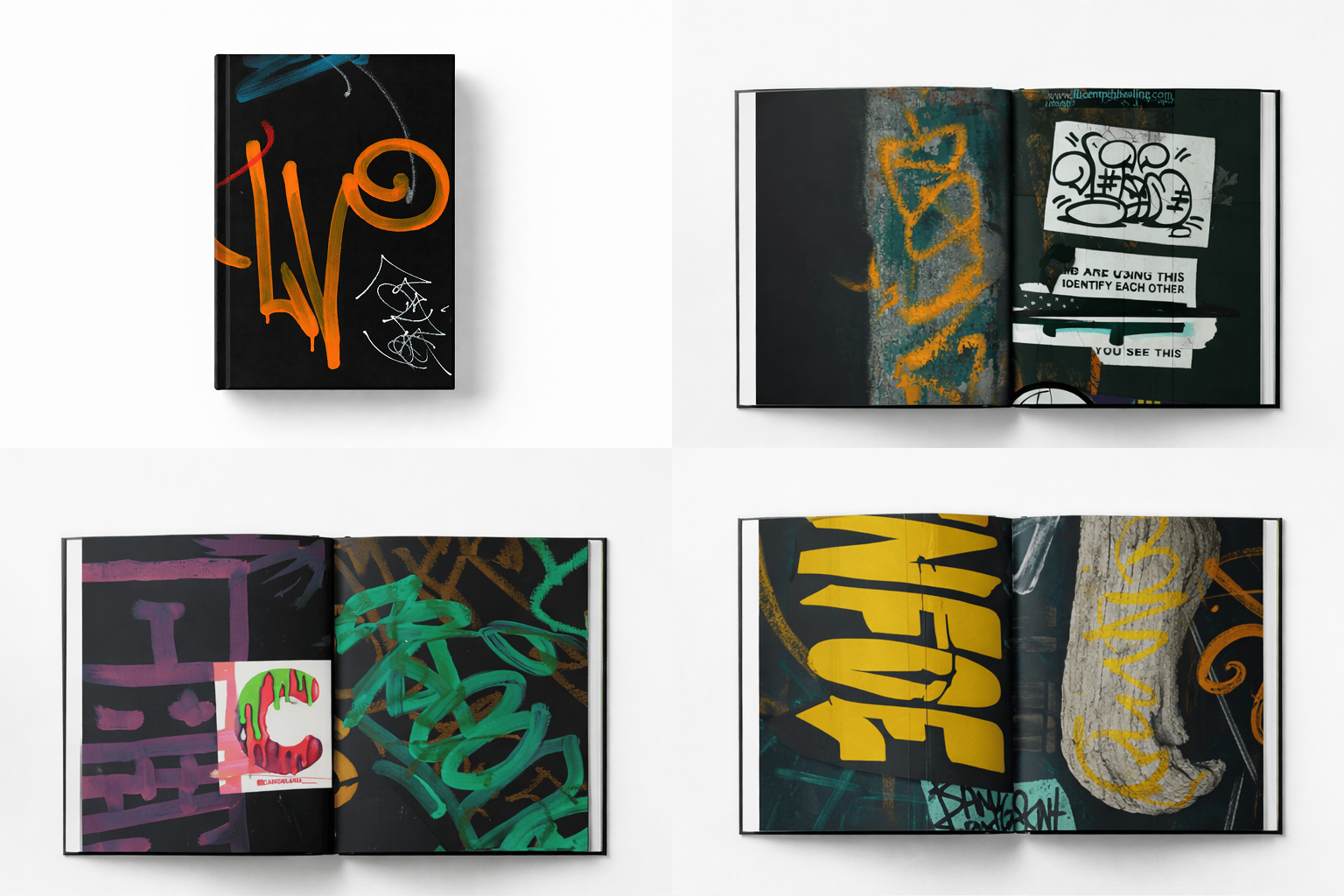
This project began on walls. It will end as a book.
Not a zine. Not a printed portfolio. A coffee table book, the kind that sits in a design studio, an architect's apartment, a gallery waiting room. Linen cover. Heavy stock. The work treated with the same care usually reserved for fine art photography or fashion editorials.
The subject is graffiti.
That contrast is intentional. These pieces were made illegally, often overnight, in neighborhoods most coffee table books never acknowledge. They were photographed not in controlled studios but on streets, on trains, on surfaces that were never supposed to be touched. And now they are getting the most formal treatment possible.
That is the point. The work deserves it. It always did.